

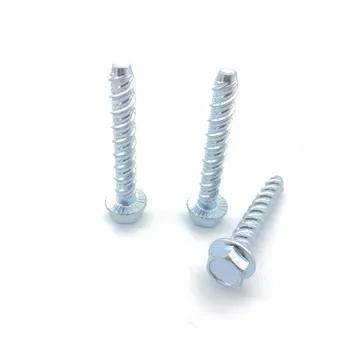
Concrete screws are essential for secure anchoring in masonry, concrete, and other hard surfaces. However, improper installation can compromise their durability and holding strength. Following proper techniques ensures your fasteners perform reliably for years. Here’s a comprehensive guide with step-by-step installation tips for long-lasting concrete screws.
1. Choose the Right Concrete Screws
The first step to a long-lasting installation is selecting screws suited to your project:
- Material: Opt for stainless steel or coated screws to resist rust and corrosion.
- Length and Diameter: Ensure screws are long enough to penetrate the concrete by at least 1 inch beyond the fixture.
- Application Type: Consider whether you are mounting light, medium, or heavy loads, and select screws rated for that purpose.
2. Prepare the Surface
A well-prepared surface ensures maximum grip and prevents cracking:
- Clean the Area: Remove dust, debris, and loose particles from the concrete surface.
- Mark Drill Points: Use a pencil or marker to indicate where screws will be installed.
- Check for Obstacles: Ensure there are no embedded pipes or wires behind the concrete.
3. Drill Pilot Holes
Drilling accurate pilot holes is critical for the longevity of your screws:
- Choose the Correct Drill Bit: Use a carbide-tipped bit matching the diameter of your screw.
- Drill Perpendicularly: Hold the drill at a 90-degree angle for straight insertion.
- Depth Control: Drill slightly deeper than the screw length to allow dust to settle and prevent binding.
4. Install the Concrete Screws
Once your pilot holes are ready, follow these steps for proper installation:
- Insert the Screw: Align the screw with the pilot hole and slowly drive it in using a hammer drill or impact driver.
- Do Not Overtighten: Stop once the screw head is flush with the surface; overtightening can strip the hole and weaken the hold.
- Verify Stability: Test the fixture’s stability to ensure a secure fit.
5. Maintenance for Longevity
Even the best installation benefits from routine maintenance:
- Inspect Screws Periodically: Look for signs of rust, loosening, or damage.
- Tighten as Needed: Re-secure any screws that have loosened over time.
- Protective Coating: Consider a clear sealant for outdoor installations to enhance durability.
By following these step-by-step installation tips for long-lasting concrete screws, you can achieve strong, reliable, and durable fastening every time. Proper selection, careful drilling, and regular maintenance are the keys to extending the life of your concrete anchors.
