

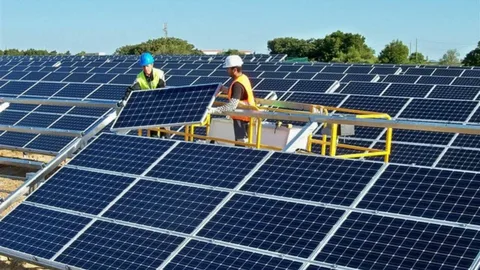
As more homeowners and businesses look for sustainable energy solutions, solar power has become a popular choice. However, choosing the right system can be confusing. Understanding the different solar power system designs is essential to ensure you get the most efficiency, cost-effectiveness, and reliability for your energy needs.
Types of Solar Power System Designs
When considering solar energy, there are three main types of system designs:
1. Grid-Tied Solar Systems
A grid-tied system is connected directly to the utility grid. It allows you to use solar energy when available and draw electricity from the grid when needed. This setup is ideal for those who want to reduce electricity bills without worrying about battery storage.
Pros:
- Lower initial costs
- No need for batteries
- Can sell excess electricity back to the grid
Cons:
- No power during grid outages
- Dependent on utility company regulations
2. Off-Grid Solar Systems
Off-grid systems operate independently from the utility grid and rely on batteries to store energy. This setup is suitable for remote areas or locations where connecting to the grid is not feasible.
Pros:
- Complete energy independence
- Reliable in remote locations
Cons:
- Higher upfront cost
- Requires battery maintenance
3. Hybrid Solar Systems
Hybrid systems combine grid-tied and off-grid setups. They allow you to use solar energy, store excess power in batteries, and draw from the grid if needed. This flexible approach maximizes energy efficiency and ensures power availability.
Pros:
- Energy security and flexibility
- Can reduce electricity costs significantly
Cons:
- More complex installation
- Higher initial investment
Factors to Consider When Choosing a Design
Choosing the right solar power system design depends on several factors:
- Energy Consumption: Determine your average daily energy use.
- Budget: Decide how much you can invest upfront versus long-term savings.
- Location: Consider sunlight availability and potential shading.
- Power Reliability: Decide if you need backup power during outages.
Conclusion
With so many options available, selecting the ideal solar power system design can seem overwhelming. By evaluating your energy needs, budget, and location, you can choose a setup that provides the best balance of cost, efficiency, and reliability. Whether you opt for a grid-tied, off-grid, or hybrid system, solar energy is a sustainable investment that pays off in the long run.
