

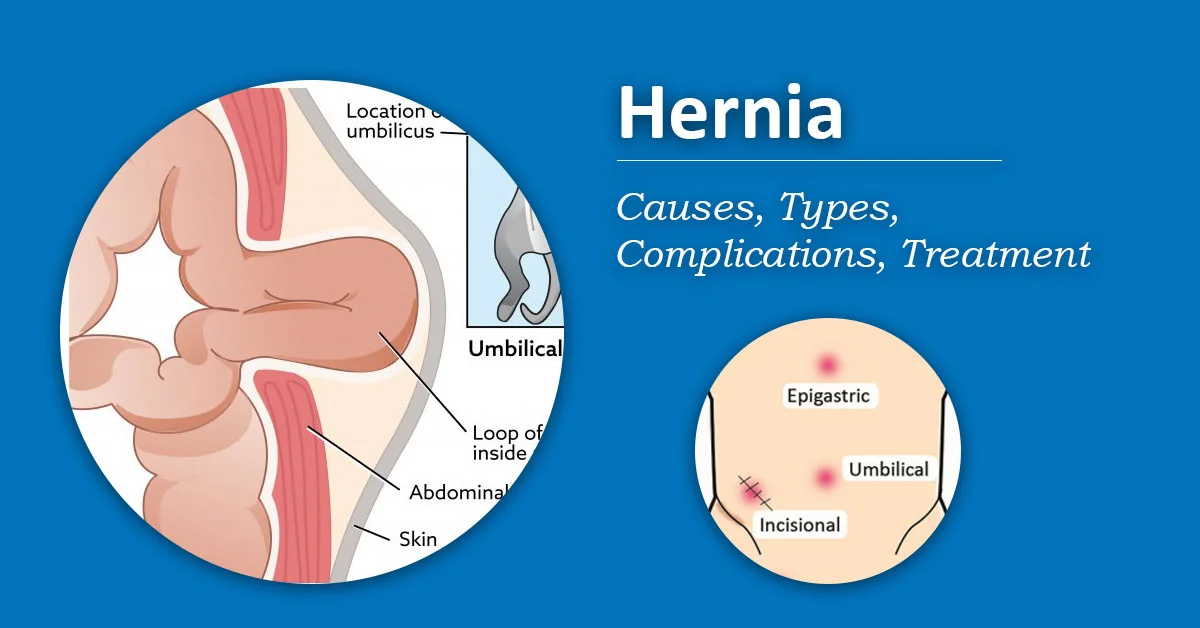
Hernia treatment is a common surgical procedure that helps repair weakened areas in the abdominal wall. While the surgery itself is generally safe, proper preparation can significantly improve recovery outcomes and reduce complications. This article provides a comprehensive guide for patients on preparing for hernia treatment: a patient’s checklist to ensure a smooth and stress-free experience.
Understanding Hernia Treatment
Before diving into preparation, it’s important to understand the nature of hernia treatment. Hernias occur when internal tissues push through weak spots in the abdominal muscles, causing discomfort or pain. Treatment options typically include:
- Open Surgery: A traditional approach where a small incision is made to repair the hernia.
- Laparoscopic Surgery: A minimally invasive option using small incisions and a camera to guide the procedure.
Knowing the type of surgery recommended by your doctor will help you follow the appropriate pre-operative instructions.
Pre-Surgery Preparations
A structured approach to preparation is crucial. Here’s a step-by-step checklist to follow:
1. Medical Evaluation
- Consult your doctor: Discuss your medical history, current medications, and any allergies.
- Lab tests and imaging: Complete all recommended blood tests, X-rays, or ultrasounds.
- Pre-anesthesia check: Ensure you are fit for anesthesia to avoid complications during surgery.
2. Medication Management
- Review prescriptions: Some medications, especially blood thinners, may need to be paused before surgery.
- Over-the-counter drugs: Inform your doctor about vitamins, herbal supplements, and pain relievers.
3. Lifestyle Adjustments
- Dietary changes: Avoid heavy meals and follow fasting instructions before surgery.
- Exercise: Light exercises may help maintain strength but avoid straining the abdominal area.
- Smoking and alcohol: Stop smoking and limit alcohol consumption to promote faster healing.
Home Preparations
- Arrange support: Have someone to assist you at home during the initial recovery period.
- Prepare recovery area: Set up a comfortable space with pillows, medications, and easy access to essentials.
- Stock up on supplies: Include items like loose clothing, healthy meals, and any prescribed post-operative care products.
Mental Preparation
Surgery can be stressful. Reduce anxiety by:
- Understanding the procedure: Ask your doctor to explain the steps and potential outcomes.
- Practicing relaxation techniques: Meditation, deep breathing, or light reading can help calm nerves.
Post-Surgery Expectations
Knowing what to expect after surgery ensures smoother recovery:
- Activity restrictions: Avoid lifting heavy objects and strenuous activities until cleared by your doctor.
- Follow-up visits: Attend all appointments for wound monitoring and overall recovery assessment.
- Pain management: Use prescribed medications and follow advice on managing discomfort.
Conclusion
Preparing for hernia treatment: a patient’s checklist is essential for reducing stress, preventing complications, and ensuring a faster recovery. By following the steps above, patients can approach surgery with confidence and take active steps in their own healing process. Proper preparation is not just about physical readiness—it also promotes peace of mind and a smoother return to normal life.